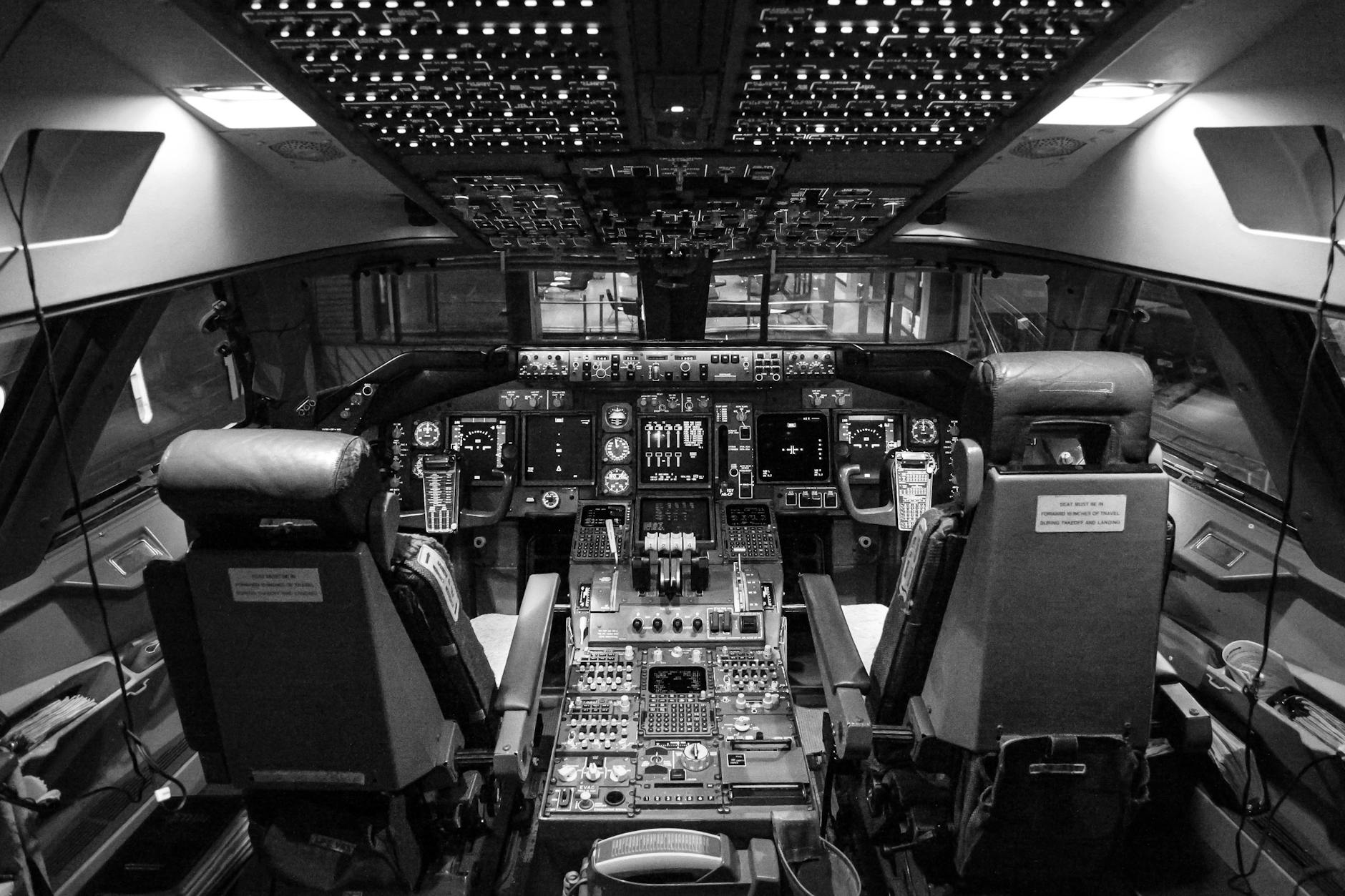
Naveed Kapadia is a Senior Lecturer in Aviation and Programme Leader for postgraduate aviation programmes, with professional experience spanning flight operations, aviation management, and human factors education. His academic and industry work sits at the intersection of operational aviation practice, safety management, and human performance in complex systems.
Naveed’s doctoral research focuses on cognitive resilience in commercial aviation, with particular attention to how pilots adapt, decide, and maintain cognitive control in highly automated and uncertain operational environments. His work is informed by long-standing engagement with aviation practitioners, regulators, and professional bodies, and by teaching and supervising aviation professionals across diverse operational contexts.
The research is grounded in systems thinking and adopts a socio-technical perspective on safety and performance. Rather than treating human performance as an isolated variable, the work considers how cognition, automation, procedures, organisational context, and training interact to shape operational outcomes.
What the CCRI™ Research Intends to Achieve
The Crew Cognitive Resilience Index (CCRI™) is being developed as a research framework to support a more structured and evidence-informed understanding of cognitive resilience in modern flight operations.
The research intends to:
- contribute to a clearer conceptualisation of cognitive resilience within commercial aviation
- examine how increasing automation and reduced operational exposure influence pilot adaptability and decision-making
- explore how cognitive, behavioural, and physiological indicators can be meaningfully combined within a systems context
- support the application of Systems-Theoretic Process Analysis (STPA) to understanding human–automation interaction and resilience factors
- inform future thinking on training design, safety assurance, and human-centred system development
The CCRI™ is not intended as a performance ranking tool or operational assessment metric. Its purpose is to support research, reflection, and dialogue around how human capability can be better understood and supported as aviation systems continue to evolve.